
Enhancing Disaster Preparedness and Resilience in FCV Settings – Lessons for Engagement and Investment

Enhancing Disaster Preparedness and Resilience in FCV Settings – Lessons for Engagement and Investment In this blog, Dr Gregory Wilson examines the case for leveraging alternative finance for Disaster Risk Management (DRM) in FCV settings: Natural and man-made disasters are becoming more frequent and severe, fuelled by climate change, rapid urbanization, inaction, and intersecting crises […]
Trade as Strategy: Rebalancing Risk-Based Development with Opportunity-Led Programming

Trade as Strategy: Rebalancing Risk-Based Development with Opportunity-Led Programming Risk-based programming has come to dominate international development. From conflict prevention to migration management, donor strategies have increasingly been driven by a logic of containment: identify the threat, deploy stabilisation tools, and maintain control. This has brought a measure of political defensibility, but at a cost. […]
Mapping the Risk: A Criminogenic Framework for Understanding Cyber Threats to the UK
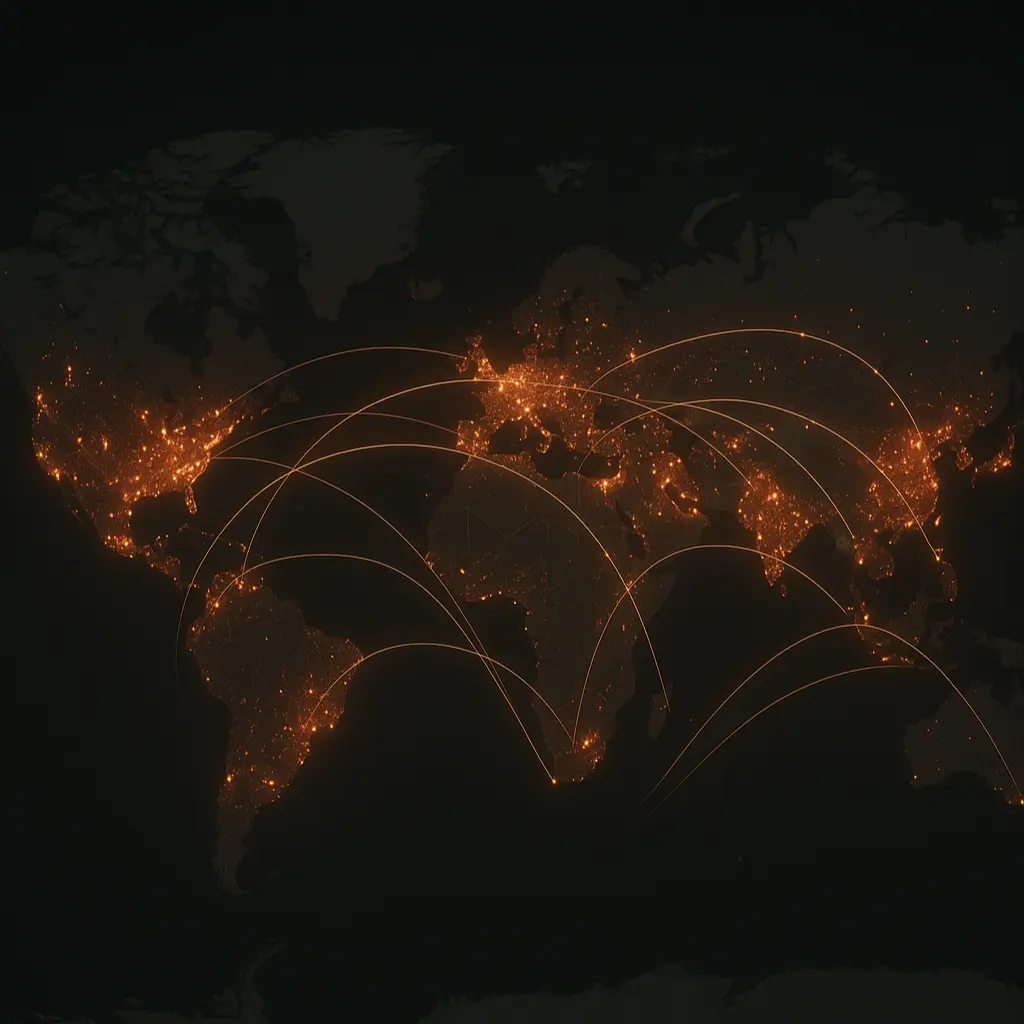
Mapping the Risk: A Criminogenic Framework for Understanding Cyber Threats to the UK The UK is not targeted by cybercriminals because it is vulnerable. It is targeted because other states are permissive. There remains a dangerous asymmetry between the way cyber threats are generated and the way they are understood in development and diplomatic programming. […]
Developing Threat Assessments as Foundations for Theories of Change in the New Age of Development

Theories of change for a new age of international development Development programming is under increasing pressure to demonstrate utility not just in recipient countries, but in terms that resonate with donor-country political realities. The liberal logic that once underpinned global development strategies, focused on poverty reduction, inclusion, and governance reform, is no longer sufficient to […]