
Cyprus has established a new National Sanctions Implementation Unit (NSIU), legally mandated in July 2025 to oversee how sanctions are applied across its financial system. The Unit is central to ensuring that Cyprus remains a trusted financial hub, resilient against illicit financial flows and the misuse of its services by sanctioned actors.
Developmentum is supporting the NSIU to put its mandate into practice by documenting procedures, creating streamlined systems for case handling, and strengthening its ability to issue licences, publish guidance, and assess suspected sanctions evasion. A distinctive part of our work is connecting the NSIU with peer agencies across Europe, building networks for knowledge exchange and consistent implementation. Networking is not only what we enable for our clients, it is also how we work, embedding each project in a wider community of practice.

The Eurasian Economic Union (EAEU) creates a shared customs space that limits how member states can independently apply external sanctions. Our research explores how these treaty provisions shape the ability of Armenia, Kazakhstan, and the Kyrgyz Republic to restrict exports to sanctioned destinations, control the import of sensitive Russian goods, and, where possible, apply measures against individuals trading from within their jurisdictions. The aim is to give policymakers a clear picture of the legal and operational constraints, and the options that remain open for effective action.
We combine legal analysis with trade-flow mapping, reviews of customs procedures, and consultations with regulators and border authorities. A key feature of the work is comparative and networked: we test practical tools such as end-use screening, ownership checks, and post-clearance audits while connecting national officials with peers across the region and Europe. The result is a grounded set of options for diplomatic and programmatic interventions to reduce sanctions evasion without disrupting legitimate trade.

Iraq’s financial system relies heavily on non-banking financial institutions (NBFIs), particularly payment service providers and currency exchange organisations, which facilitate the movement of funds both inside and outside the country. While these institutions play an important role in enabling access to finance, they also present heightened risks for money laundering and terrorist financing, especially given the continued reliance on informal hawala networks operating beneath the regulatory radar. To bring these institutions into the fold of effective oversight, the Central Bank of Iraq (CBI) commissioned a sectoral risk assessment of NBFIs to feed into its updated National Risk Assessment.
Developmentum supported the CBI by updating compliance data for payment service providers and currency exchange organisations across Iraq, refreshing the Bank’s evidence base for targeted supervision. The resulting analysis will support the CBI in enhancing regulation of the NBFI sector, which has already made considerable progress but remains central to Iraq’s financial integrity challenges. By linking sector-specific research to broader regulatory reforms, the project helps Iraq close longstanding oversight gaps, reduce the misuse of NBFIs for illicit finance, and move closer to international standards.
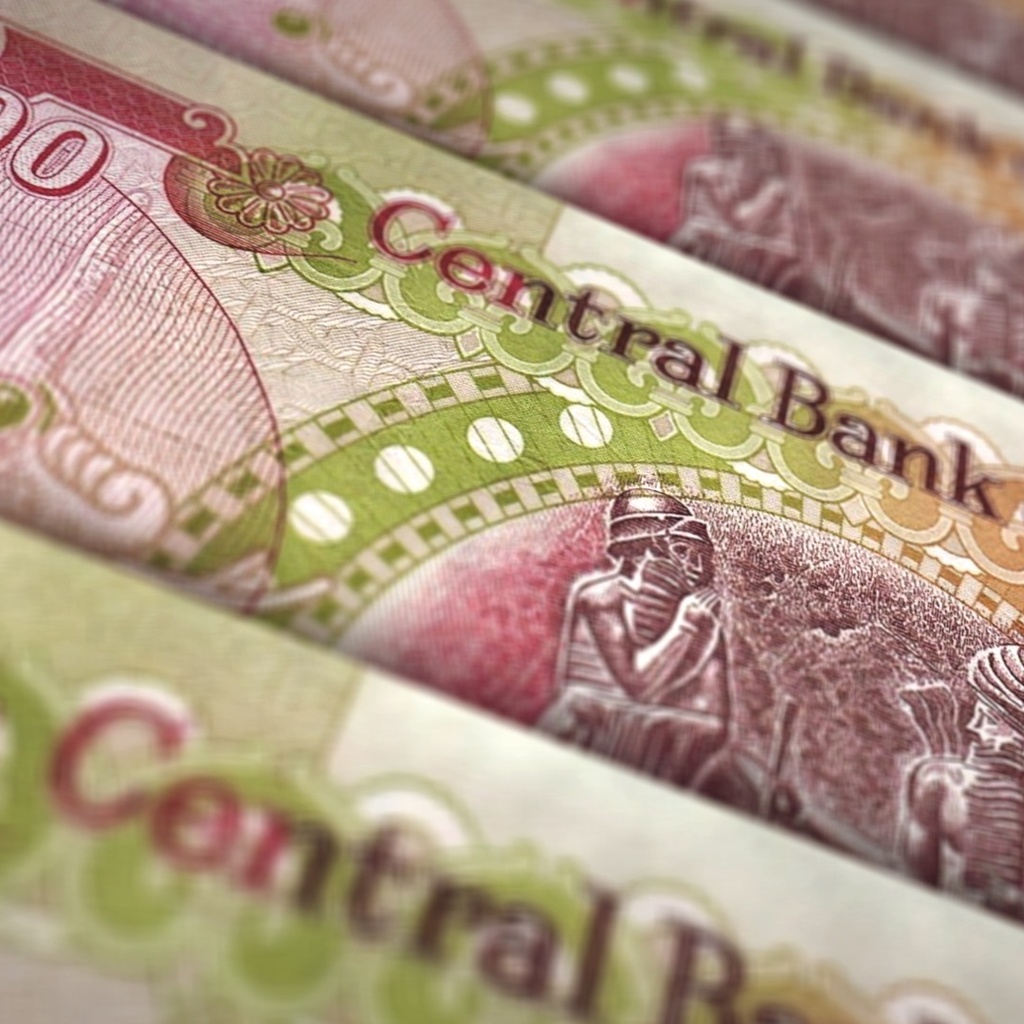
Virtual assets and other modern methods of transferring value are creating complex challenges for judiciaries worldwide and Iraq is no exception. These technologies open new avenues for money laundering and terrorist financing, demanding fresh investigative and prosecutorial approaches. To meet this need, Developmentum is facilitating a programme of knowledge exchange with Iraqi judges and judicial investigators, focused on the evolving landscape of financial crimes involving virtual assets. Our work begins with mapping the landscape of past engagements with Iraq’s judiciary and law enforcement agencies, identifying what has proved most useful and where further support is needed. We are also drawing on regional case studies involving the misuse of virtual assets, using them to spark discussion and peer-to-peer learning. By combining lessons from past initiatives with insights from across the region, the programme aims to provide Iraq’s judiciary with practical knowledge and comparative perspectives that can be directly applied in their work.
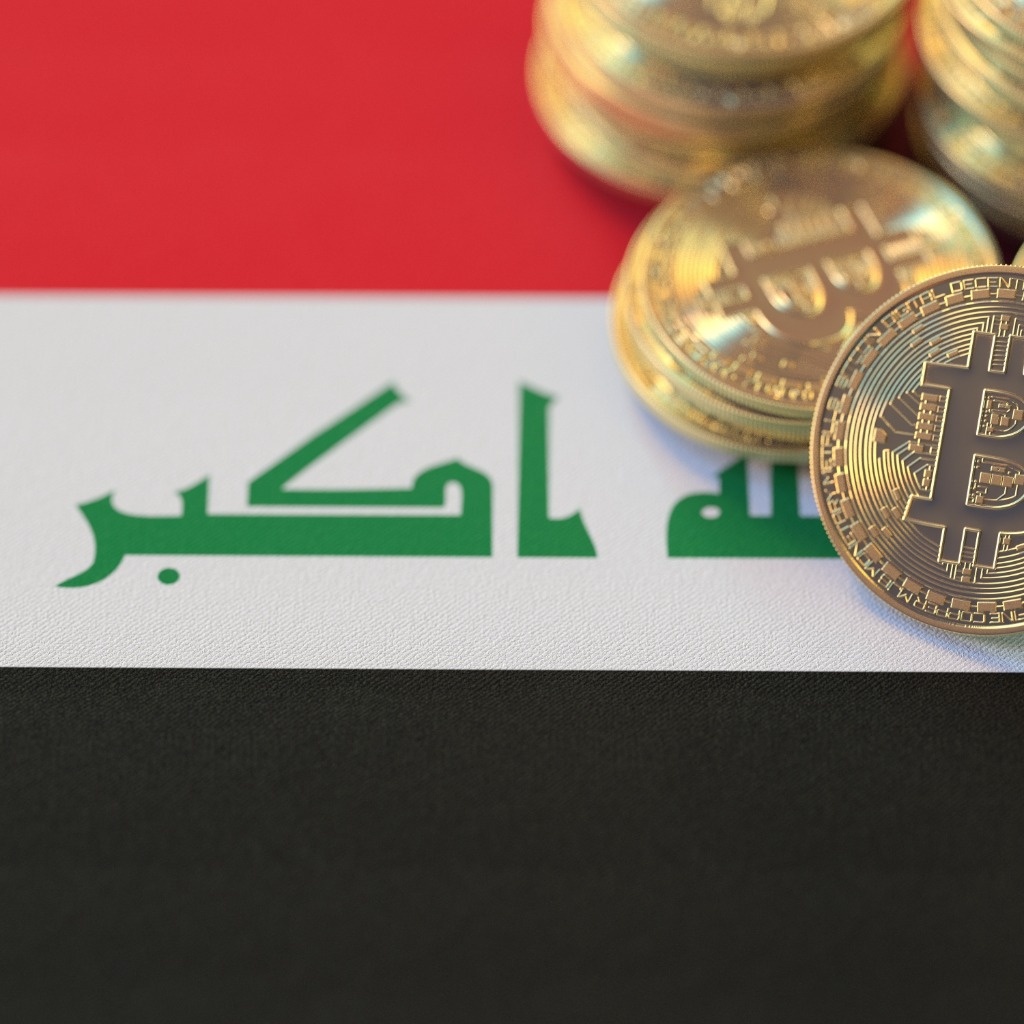
We conducted a political economy analysis to map the institutions, actors, and incentives shaping Pakistan’s anti-money laundering and counter-terrorist financing (AML/CTF) sector. The study provided insights into the political and institutional dynamics that enable or obstruct reform, and highlighted opportunities for more effective intervention. The analysis serves as the foundation for forthcoming programming aimed at tackling illicit finance in Pakistan, ensuring that future support is both context-sensitive and strategically targeted.

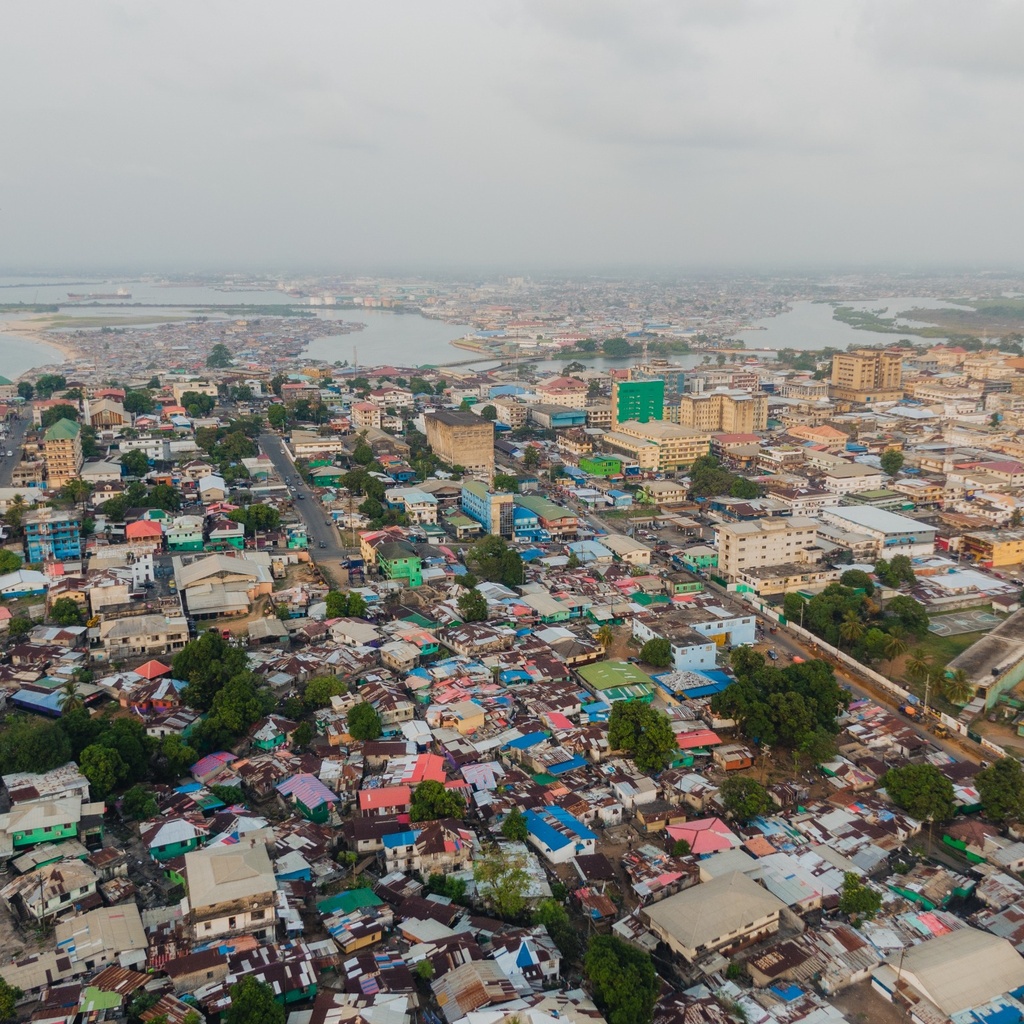
Our work focuses on strengthening the country’s ability to manage crises by starting with what already exists. In partnership with the World Bank, we are engaging government institutions, private sector actors, and community leaders to map out current mechanisms for preparedness and response. Liberia faces a spectrum of risks, from public health emergencies such as Ebola and COVID-19, to recurrent flooding, food insecurity, and economic shocks that can quickly overwhelm fragile systems. Our approach identifies and builds upon the country’s own resources and capabilities, aligning them with the World Bank’s framework for fragile states.
Our work is centred on supporting institutions and communities to prepare for and respond to crises in a context marked by persistent fragility. Partnering with the World Bank, we are consulting government counterparts, local businesses, and community stakeholders to understand the mechanisms they already rely on in times of crisis. Afghanistan faces acute risks ranging from earthquakes and droughts to chronic food shortages and economic instability, each capable of deepening humanitarian needs and undermining recovery. Our approach builds upon existing resources and practices, aligning them with the World Bank’s framework for fragile states.
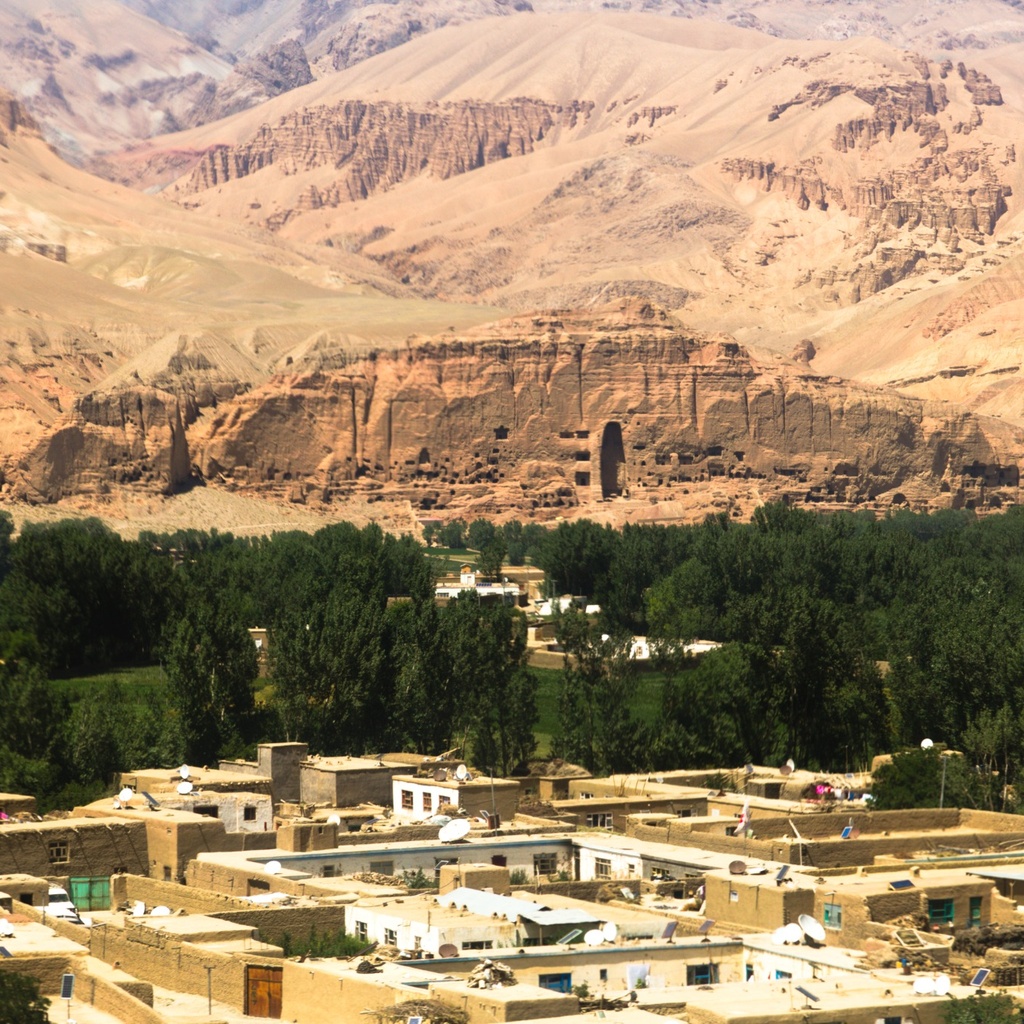
Developmentum has supported the Palestinian Authority (PA) to strengthen fiscal sustainability, build institutional capability, and enhance accountability across public finance and centre of government functions. Our work has focused on improving policy-making, introducing new business processes, strengthening strategic planning, and enhancing aid management and coordination, reforms aimed at increasing government effectiveness and improving service delivery in key ministries. We have also researched lessons from past Gaza reconstruction efforts, ensuring that future programming can draw on evidence of what has and has not worked in practice. Taken together, this work reflects our long-standing engagement in Palestine and our commitment to supporting effective, resilient, and accountable governance.

Developmentum has contributed to strengthening Somalia’s financial governance through independent analysis and high-level advisory roles. Our work has included reviewing progress on public financial management reforms under the Somali Compact, providing recommendations to improve accountability and transparency. We have also participated in the Somalia Financial Governance Committee (FGC), a forum bringing together senior Somali officials and international partners to advise on strategic issues. The FGC’s remit spans central bank governance, currency reform, public procurement, concessions, asset recovery, security expenditure, good governance, and fiscal federalism. Through this role, Developmentum has supported dialogue at the highest level of financial decision-making, ensuring reforms are both technically sound and politically grounded.
Iraq’s fiscal position has been increasingly constrained by the rapid expansion of its public sector payroll and the absence of effective updates to its econometric modelling in recent years. To address this, Developmentum provided strategic guidance for the development of a fiscal analytical tool designed to project fiscal space using Iraq’s own budget data. The tool offers policymakers a clearer picture of medium-term sustainability and highlights the risks posed by unchecked expenditure growth. Our role included supporting the adaptation of a pre-existing analytical tool to Iraq’s fiscal context, populating it with available budget data, and training ministry staff in its use. The result is a practical instrument now under review by government ministries for formal adoption. Once embedded, the tool will enhance Iraq’s ability to plan, assess trade-offs, and ensure more sustainable management of public resources.

Iraq has long struggled with under-execution of its capital budget, leaving funds unspent even as critical infrastructure and social projects face financing gaps. To address this challenge, a new development fund was designed to fast-track the use of unspent budget allocations, channeling them into capital expenditure projects with tangible social impact. Developmentum contributed to the creation of this fund by working alongside partners to draft the necessary legislation and support the design of its operational framework. Our role ensured that the fund was grounded in robust governance arrangements and prepared for effective implementation once launched. By bridging unspent resources with pressing development needs, the initiative aims to strengthen Iraq’s capacity to deliver visible improvements in services and infrastructure.

Developmentum played a strategic role in preparing Iraq’s General Commission for Taxes (GCT) for comprehensive reform, including the administration’s readiness for a Tax Administration Diagnostic Assessment Tool (TADAT) and an institutional and IT assessment. Working closely with counterparts and international partners such as the World Bank, we led project planning and ensured coordination across efforts focused on modernizing Iraq’s tax administration. Our contribution covered the diagnostic phase and discussions around the future procurement of an integrated Tax and Customs Information (ITAS) system. By shaping the assessment agenda and aligning the various moving parts, both technical and institutional, we helped pave the way for future upgrades to Iraq’s tax infrastructure that are coherent, well-informed, and aligned with global best practices.

Developmentum appraised World Bank proposals and project documents for tax and customs reform in three fragile and conflict-affected states: Afghanistan, Niger, and Somalia on behalf of the Norwegian Ministry of Foreign Affairs. Across these engagements, our analysis examined how the proposed measures could strengthen transparency and accountability in public finance and improve fiscal governance in challenging contexts, while ensuring that international support delivers clear value for money and meets robust standards of accountability for international partners.

Armenia’s rapidly growing ICT sector has provided significant opportunities for licit employment, reducing the incentives for large-scale domestic cybercrime to take root. This development is a positive counterbalance to the structural drivers that often push individuals into cyber-enabled crime in other contexts. However, Armenia has also seen instances of significant cybercriminals operating within its borders, including cases where officials have enabled individuals involved in international cybercrime to avoid justice. Our research highlights two parallel needs: continued support for the expansion of Armenia’s licit ICT economy as a resilience factor, and stronger capacity within the criminal justice system to respond to cases where cybercrime does emerge. This dual track, economic opportunity and enforcement, points to the kinds of programming that can help Armenia safeguard its digital growth while closing off safe havens for cybercriminal activity.

Azerbaijan’s experience shows how conflict dynamics can shape the digital landscape. The Nagorno-Karabakh conflict has been fought partly through digital means, with malware and cyberattacks deployed as tools of statecraft. While these operations have so far been the preserve of government-linked actors, their visibility risks creating a permissive environment in which online deviance is normalised. At the same time, Azerbaijan has invested in strengthening its cybersecurity governance infrastructure, signalling a recognition of the risks. Our research suggests that the challenge now lies in ensuring these investments can also address the potential spillover effects of conflict-driven cyber operations. Without targeted interventions, the skills and tactics honed in wartime could provide a recruitment ground for cybercriminal groups in peacetime. Programming therefore needs to build on Azerbaijan’s governance foundations while reducing opportunities for cyber capacities to migrate into illicit markets.
Our research uncovered several examples of online scamming operations and malware development. These activities are not confined to domestic actors: a wide range of external groups operate in the country, creating the potential for collaboration between local cyber actors and international networks. One focal point is the autonomous region of Abkhazia, where low-cost energy supplied from Russia has made large-scale crypto-mining highly attractive. This concentration of activity creates an enabling environment for cyber-enabled crime and raises the risk of cross-border cooperation among illicit actors. Addressing such threats requires responses that combine stronger national safeguards with vigilance toward the ways in which local and external actors intersect.
Moldova faces some of the most acute challenges in the region, with a fragile economy that heightens its vulnerability to cyber-enabled crime. Our research points in particular to the autonomous region of Transnistria, where actors with significant capabilities are active and where large-scale crypto-mining has become a prominent feature of the local economy. The risk is that these activities could be diverted into cybercriminal enterprises, especially if supplies of low-cost Russian energy, which underpin mining profitability, are disrupted. We also identified cases where efforts to prosecute cybercriminals have been obstructed, undermining deterrence and accountability. Taken together, these factors leave Moldova exposed to a high level of threat and highlight the urgent need for programming that strengthens both economic resilience and criminal justice responses.

Developmentum provides strategic direction as part of a wider partnership supporting the Ministry of Defence to strengthen its cyber resilience. Our role complements the work of delivery partners, ensuring efforts are coordinated and responsive to Iraq’s specific needs. The project focuses on establishing a Security Operations Centre and implementing cybersecurity policies across the Ministry, designed to reduce the risk of external interference and exploitation of military intelligence and data. By contributing strategic insight and international perspective, Developmentum helps Iraq’s defence institutions embed stronger safeguards while tailoring solutions to their operational realities

Developmentum led the drafting of the first Strategic Framework for EIB Engagement in Fragility and Conflict. The strategy was designed to enhance the Bank’s ability to contribute to development impact, conflict prevention, and peacebuilding objectives in fragile and conflict-affected states, while also strengthening its engagement with development partners, EU member states, the private sector, and borrowing countries. Our work combined an External Evidence Review, benchmarking the EIB against other multilateral development banks and development finance institutions, with an Internal Evidence Review of current operations, performance, and capability. This dual approach provided the Bank with a candid, evidence-based picture of where it was positioned and how it could improve. By grounding recommendations in both comparative analysis and institutional realities, the framework set a new direction for the EIB’s work in fragile contexts and strengthened its role as a credible development actor.
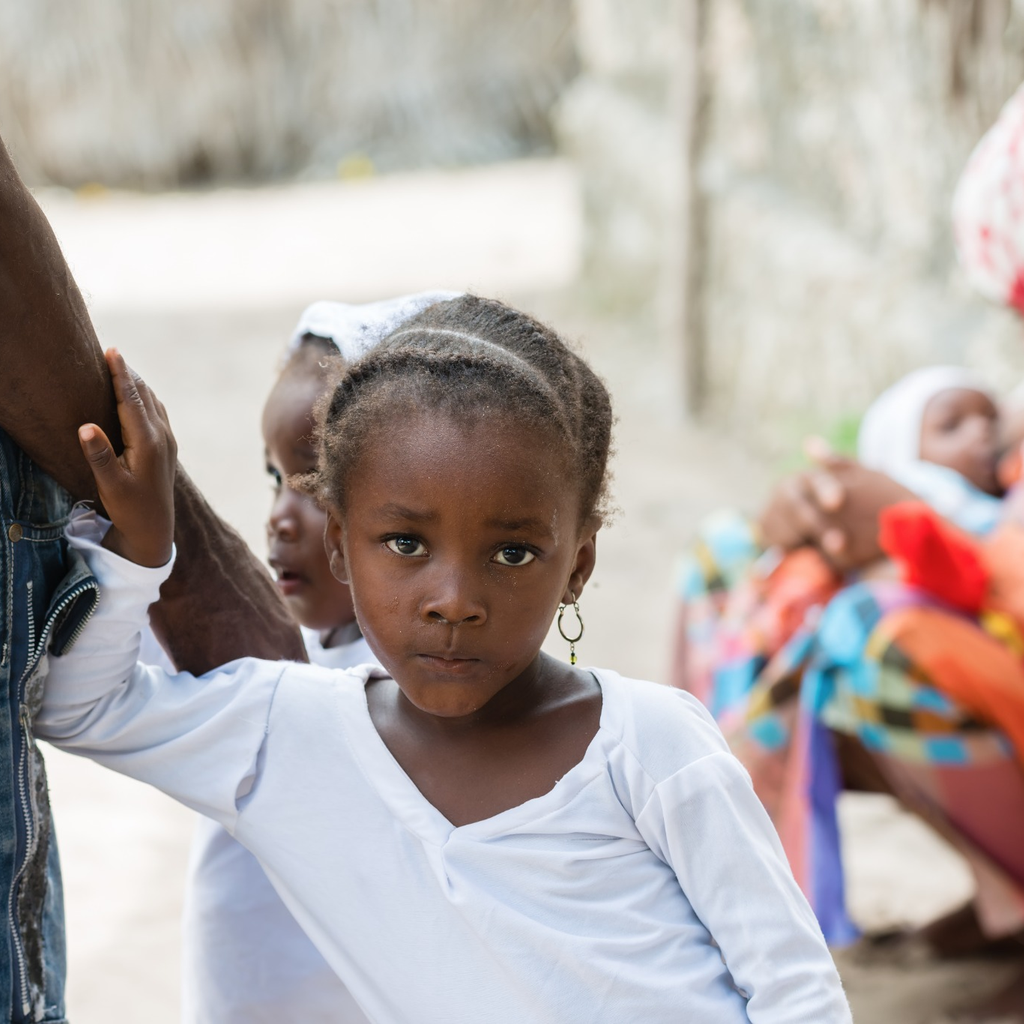
Developmentum conducted an independent review of the EBRD's operations in Palestine. The assessment focused on the Bank’s support for private sector competitiveness, access to finance for micro, small and medium-sized enterprises (MSMEs), legal and regulatory reforms, and investments in energy efficiency and renewable energy. Our review examined both the design and performance of these programmes, identifying successes as well as areas requiring adjustment. By providing candid, evidence-based analysis, we offered EBRD actionable recommendations to ensure its portfolio in Palestine delivers maximum development impact in a highly complex environment.

Developmentum provided training to staff of Iraq’s Ministry of Planning (MoP) engaged in aid coordination, creating a platform for dialogue with the Directorate for International Cooperation about its proposed approach to managing external assistance. The training built capacity while also opening space to debate the risks of creating bottlenecks for international assistance through overly centralised processes. Although the anticipated bottlenecks never materialised, for reasons beyond our direct inputs, our engagement contributed to building the case against such restrictive approaches. Importantly, the MoP leadership listened, both at the senior and working levels, which helped reinforce the importance of maintaining open, effective channels for aid coordination.
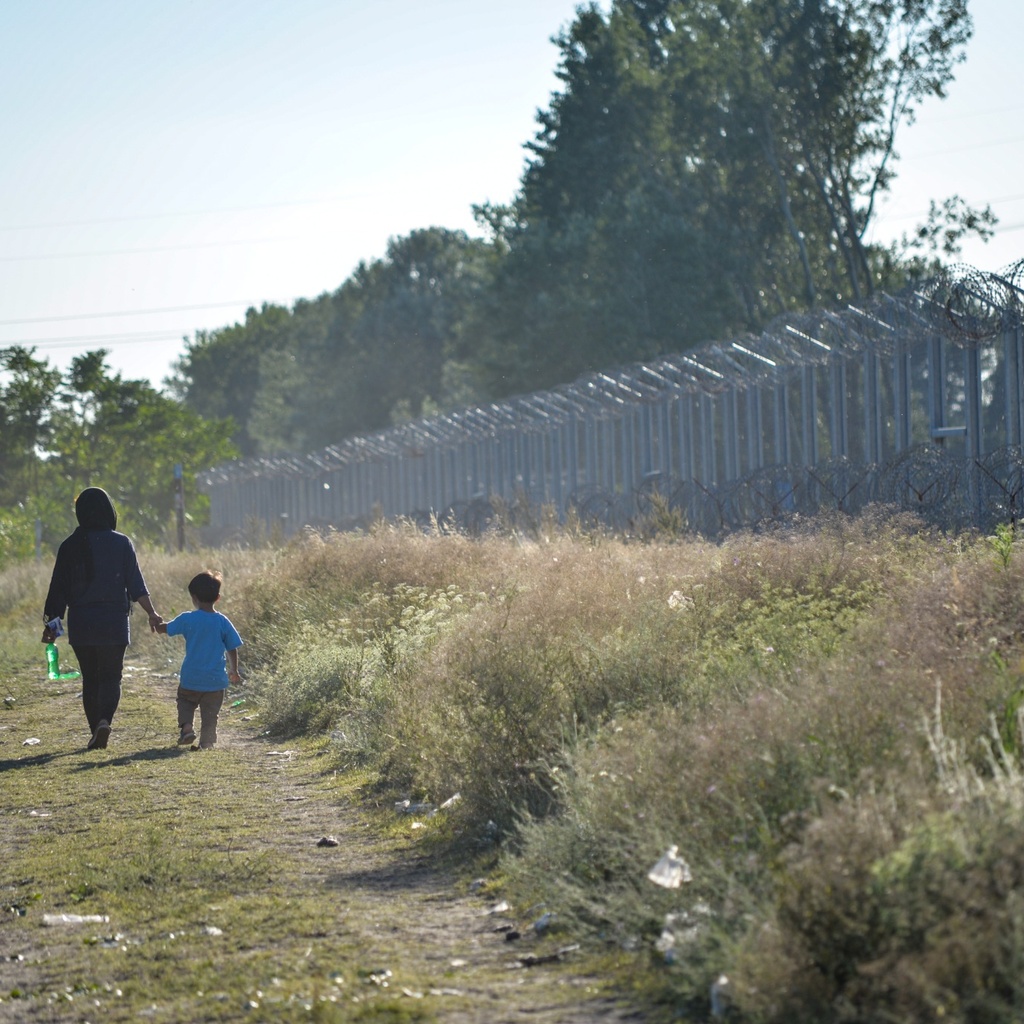
Developmentum’s work in Ukraine began with a research paper for the European Bank for Reconstruction and Development (EBRD), examining the role of international financial institutions (IFIs) and development finance institutions (DFIs) in supporting private sector reconstruction in contexts of fragility and conflict. The study drew out nine key lessons, with a particular focus on the Ukraine Recovery Programme. Our analysis provided evaluation and policy insights into how international actors can best support private enterprise as a driver of recovery, resilience, and long-term development in conflict-affected settings.
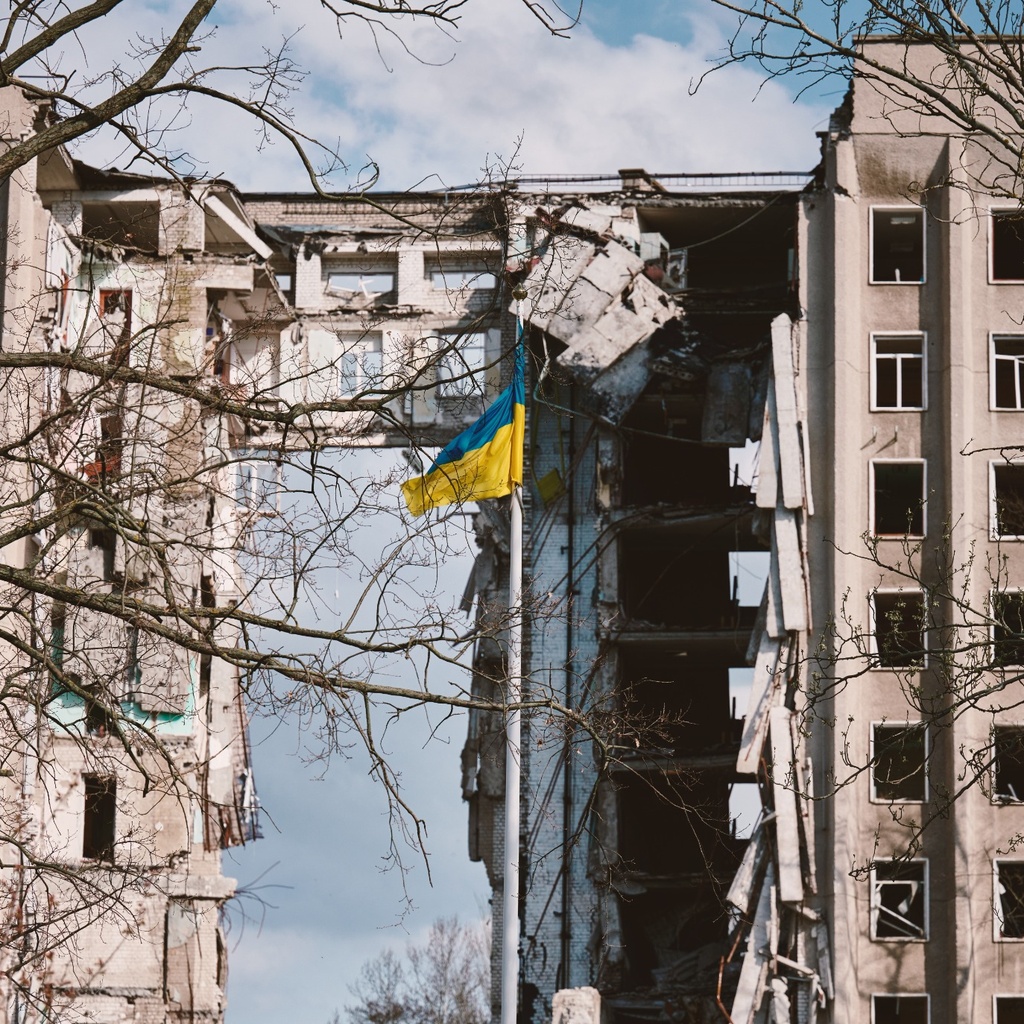
We have supported leading Saudi aid institutions to enhance the strategic impact and effectiveness of their overseas development assistance. This includes preparing a policy note on aid effectiveness in fragile contexts and advising on how to strategise, budget, and manage performance to maximise the value and visibility of Saudi aid globally.

We are supporting Iraq’s Border Management Force at the Anbar border with Syria to strengthen the role of investigations and intelligence within their Integrated Border Management Plan. In response to recent shifts in the Syrian regime, the project helps the Force gather, organise, and fuse intelligence from multiple agencies to address cross-border smuggling and complex criminal activity. By aligning investigative efforts, identifying gaps, and escalating cases under senior investigative leadership, the initiative builds a more resilient and coordinated response to the evolving challenges along this critical frontier.

We supported the Government of Iraq in reviewing Baghdad International Airport’s compliance with International Civil Aviation Organization (ICAO) standards. The assessment identified the most immediate issues requiring attention to meet international expectations, including improvements to drugs interdiction and document screening. These measures are essential to ensure that international airports receiving flights from Baghdad can maintain confidence in Iraq’s aviation safety and security.

We are supporting Iraqi law enforcement to modernise how drug analysis is recorded, shared, and secured. By ensuring that results from national drug laboratories, including visual identifiers, are stored in a central database, investigators can better trace trafficking routes and patterns. Alongside this, we are helping agencies improve information sharing both domestically and with international partners, while safeguarding the integrity of laboratory supply chains. Together, these measures strengthen Iraq’s capacity to counter the evolving challenges of drug trafficking.

Developmentum reviewed an internal UNHCR change programme designed to implement a new corporate results-based management (RBM) system for monitoring and governing the organisation’s global portfolio of programmes and projects. Our role was to assess the project design, team structure, and performance, and to recommend a new way forward that would ensure the system’s effectiveness and sustainability.
Following this review, we were invited to work with UNHCR to replan and relaunch the initiative. This included supporting the project team to refine the design and governance of the RBM approach, ensuring it could be rolled out successfully across country offices worldwide. Our contribution combined independent scrutiny with practical support, enabling UNHCR to realign the programme with its strategic objectives and improve the way results are tracked and managed globally.

Developmentum conducted a functional review of the International Fund for Agricultural Development’s (IFAD) North American Liaison Office. The review assessed the office’s organisational strategy, its approach to global partnerships, and the alignment of its functions with IFAD’s broader institutional objectives.
Our analysis led to recommendations on the optimal structure and budget for the office, aimed at increasing both effectiveness and efficiency. By providing a clear roadmap for how the Liaison Office could strengthen its strategic role and partnerships, we helped IFAD position itself to deliver greater impact through its North American engagement.

We supported the Ministry of Foreign Affairs in the Kingdom of Saudi Arabia to define a case for organisational change and design a major reform programme to strengthen its diplomatic capacity. Our work focused on developing public diplomacy skills, enhancing strategic planning functions, and supporting the Ministry’s ambition to increase the Kingdom’s representation and influence in multilateral forums.

We collaborated with a leading Saudi university and international partners to design a Public Diplomacy Think Tank, the first of its kind in the Kingdom. The initiative aims to build national capacity in evidence-based foreign policy and international engagement. We also authored a Best Practices Study on Promoting Technology and Innovation in the Electricity Sector, supporting the national agenda to diversify the energy economy and foster innovation.